2025-2026 Horse Health Diet Logs: A Practical Guide for Equine Care
The 2025-2026 Horse Health Diet Logs are a comprehensive resource designed to support the nutritional management of horses throughout the year. These logs offer a structured approach to tracking daily feed intake, monitoring weight changes, and ensuring that equine health remains on track. Whether you're a professional horse owner, a hobbyist, or someone involved in equine care, these logs provide a reliable tool for maintaining consistency and accuracy in your feeding routines.
Why Horse Health Diet Logs Matter in Equine Management
Proper nutrition is foundational to the well-being of any horse. The 2025-2026 Horse Health Diet Logs serve as a bridge between general knowledge and actionable data, helping users translate best practices into real-world application. By recording daily meals, supplements, and water intake, these logs allow for more informed decision-making when it comes to diet adjustments, seasonal changes, and overall health monitoring.
These logs are particularly valuable during critical periods such as breeding seasons, training regimens, or recovery phases. They enable users to identify patterns, spot potential issues early, and make timely interventions. For instance, if a horse shows signs of weight loss or lethargy, reviewing the diet log can help pinpoint whether the issue stems from insufficient caloric intake or an imbalance in nutrients.
Integrating Diet Logs into Daily Workflows
The 2025-2026 Horse Health Diet Logs are not just a standalone tool—they fit seamlessly into broader equine care workflows. Whether you're managing a small backyard herd or overseeing a large equestrian facility, these logs can be integrated with other tools like pasture management systems, veterinary records, and exercise tracking apps.
For example, a horse owner might use the diet logs in conjunction with a fitness tracker to monitor how changes in diet affect performance. Similarly, a trainer could refer to the logs to adjust feeding schedules based on the intensity of training sessions. This integration ensures that all aspects of horse care are aligned and responsive to the animal's needs.
Practical Use Cases for the 2025-2026 Horse Health Diet Logs
- Before a Project: When planning a new training program or preparing a horse for competition, the diet logs can be used to establish baseline nutritional data. This helps in setting realistic goals and ensuring that the horse is in optimal condition before starting any intensive activity.
- During a Task: As part of daily routines, the logs can be updated regularly to reflect changes in feed type, portion sizes, and any special dietary requirements. This ongoing documentation supports consistency and accountability in feeding practices.
- After a Decision: If a change in diet has been made—such as switching to a new feed brand or introducing supplements—the logs provide a clear record of the transition. This allows for easier evaluation of outcomes and necessary adjustments.
By incorporating the 2025-2026 Horse Health Diet Logs into these stages of equine care, users can ensure that their efforts are both systematic and effective.
How the Logs Interact with Other Tools and Resources
The 2025-2026 Horse Health Diet Logs are designed to work alongside various resources and platforms commonly used in equine management. For instance, they can be paired with digital feed calculators to determine precise portion sizes based on a horse’s weight and activity level. They also complement veterinary advice by providing a visual history of the horse’s eating habits, which can be invaluable during consultations.
In addition, the logs are compatible with cloud-based storage solutions, allowing for easy access and sharing across multiple devices. This feature is especially useful for multi-person stables or remote caretakers who need to stay updated on feeding schedules and dietary notes in real time.
Key Features of the 2025-2026 Horse Health Diet Logs
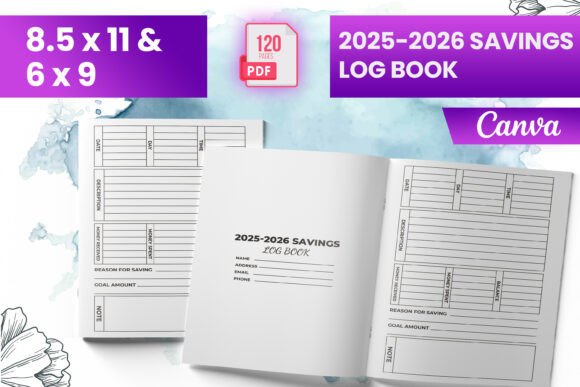
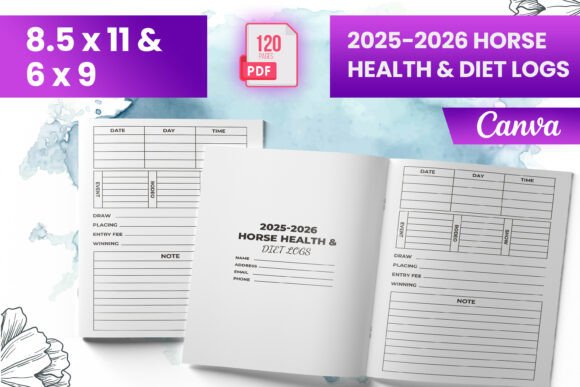
- Ready-to-Upload PDF Format: The logs come in a downloadable PDF format, making them easy to integrate into existing workflows without the need for additional software or formatting.
- Multiple Page Sizes: Available in 6", 8.5", 9", and 11" sizes, the logs cater to different preferences and usage scenarios, whether for personal use or as part of a larger publication.
- Comprehensive Page Count: With 120 total pages, the logs provide ample space for detailed tracking over the course of a year, including monthly summaries and seasonal notes.
- Bleed-Ready Interior: Designed for Amazon KDP publishing, the interior layout is optimized for print-on-demand services, ensuring high-quality output and ease of use for creators.
- Visual Support: The package includes PNG and JPG files, which can be used for promotional materials or as reference guides for others involved in the care of the horse.
These features collectively enhance the usability and flexibility of the 2025-2026 Horse Health Diet Logs, making them a versatile asset for both individual users and businesses in the equine industry.
Implementation Tips for Optimal Use
To get the most out of the 2025-2026 Horse Health Diet Logs, consider the following tips:
- Set a Routine: Establish a consistent schedule for updating the logs. Whether it's daily, weekly, or after each feeding session, regular updates ensure accurate data collection.
- Use Clear Labels: Make sure each entry is clearly labeled with dates, times, and specific details about what was fed. This clarity helps in quick reference and analysis later on.
- Track Changes: Document any changes in feed types, portion sizes, or supplements. This historical data is crucial for evaluating the effectiveness of dietary modifications.
- Review Regularly: Set aside time each month to review the logs and assess trends. This practice helps in identifying areas for improvement and reinforcing positive habits.
- Share with Others: If multiple people are involved in caring for the horse, share the logs to maintain transparency and collaboration among all parties.
By following these practical steps, users can maximize the value of the 2025-2026 Horse Health Diet Logs and ensure that their equine care routine remains organized and effective.
Conclusion
The 2025-2026 Horse Health Diet Logs are more than just a record-keeping tool—they are a strategic asset for anyone committed to the well-being of their horses. By integrating these logs into daily workflows, using them alongside other resources, and maintaining consistent updates, users can achieve greater control over their equine care practices. Whether you're managing a single horse or a group of animals, these logs provide the structure and insight needed to support long-term health and success.