Strategic Use of 1000 Sudoku Activity Book for Decision-Making and Productivity
The 1000 Sudoku Activity Book is more than just a collection of puzzles—it's a powerful tool that can be strategically leveraged to enhance decision-making, creativity, and productivity. While its primary purpose is entertainment and mental exercise, the structured nature of Sudoku offers a unique framework that professionals, educators, and entrepreneurs can adapt for real-world applications. By integrating the principles of Sudoku into daily routines, individuals can cultivate sharper focus, improve problem-solving skills, and align their actions with long-term goals.
Leveraging Sudoku for Strategic Thinking
Sudoku requires logical reasoning, pattern recognition, and attention to detail—skills that are highly transferable to strategic planning and decision-making. The 1000 Sudoku Activity Book provides a consistent challenge that trains the mind to think systematically. For professionals involved in project management, marketing, or business strategy, this kind of mental discipline can translate into better outcomes. Each puzzle solved reinforces the ability to break down complex problems into manageable components, a crucial skill in any strategic endeavor.
Consider how Sudoku operates: each number must fit within a grid while adhering to specific rules. This mirrors the process of strategic planning, where every decision must align with overarching objectives. The 1000 Sudoku Activity Book encourages a methodical approach, helping users develop patience and precision—qualities that are essential when navigating high-stakes environments.
Supporting Goals and Planning with Sudoku
One of the most overlooked benefits of the 1000 Sudoku Activity Book is its ability to support goal-setting and planning. The repetitive yet challenging nature of Sudoku can serve as a form of mental preparation, allowing individuals to enter tasks with a clear mind and focused intent. For educators designing lesson plans, freelancers managing multiple projects, or small business owners optimizing workflows, the act of solving Sudoku can act as a reset button, clearing mental clutter and sharpening focus.
Additionally, the 1000 Sudoku Activity Book can be used as a creative warm-up. Many designers, writers, and marketers find that engaging in Sudoku before starting a creative task helps them overcome initial blocks. It’s a low-pressure way to stimulate the brain without the stress of producing immediate results. This makes it an ideal companion for those who need to maintain a balance between analytical thinking and creative output.
Practical Applications in Business and Education
In a professional setting, the 1000 Sudoku Activity Book can be incorporated into team-building exercises or used as a personal development tool. For example, a marketing team might use Sudoku to reinforce the importance of data-driven decisions by comparing puzzle-solving strategies to campaign planning. Similarly, educators can integrate Sudoku into classroom activities to teach logic and critical thinking in a fun and interactive way.
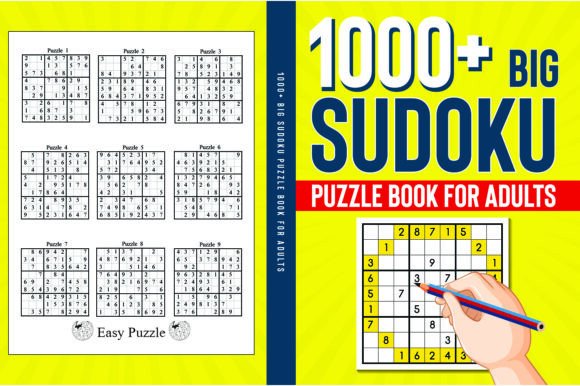
The book’s versatility also makes it suitable for branding and customer experience initiatives. A brand looking to emphasize clarity, precision, and structure might use the 1000 Sudoku Activity Book as part of its visual identity or as a promotional item. Its clean design and organized layout reflect the values of order and efficiency that many brands strive to embody.
When and How to Use the 1000 Sudoku Activity Book Effectively
To maximize the value of the 1000 Sudoku Activity Book, it’s important to understand when and how to use it. Here are some practical tips:
- Use it for mental breaks: After a long work session, take 15–20 minutes to solve a few puzzles. This helps refresh your mind without disrupting your workflow.
- Incorporate it into routine: Set aside a specific time each day to engage with the 1000 Sudoku Activity Book. Consistency builds habit, which enhances long-term cognitive benefits.
- Pair it with goal review: After completing a puzzle, take a moment to reflect on your progress toward personal or professional goals. This practice helps align mental exercises with tangible outcomes.
- Use it for brainstorming: Before diving into a complex project, spend some time working through puzzles. This can help unlock new ideas and perspectives.
By integrating the 1000 Sudoku Activity Book into daily routines, individuals can create a habit of disciplined thinking that supports both short-term tasks and long-term vision.
Considerations for Strategic Integration
While the 1000 Sudoku Activity Book offers numerous benefits, it’s important to approach it with intention. Without clear goals or context, the activity may become a distraction rather than a tool for growth. For instance, if a business owner uses Sudoku solely as a time filler without linking it to broader strategic objectives, the potential impact on productivity may be minimal.
Similarly, educators should consider how Sudoku fits into their curriculum. Is it being used to teach specific skills, or is it merely an extracurricular activity? The key is to ensure that the 1000 Sudoku Activity Book serves a purpose beyond entertainment. When aligned with learning outcomes or professional development goals, it becomes a valuable resource.
Risks of Misuse and How to Avoid Them
One of the main risks of using the 1000 Sudoku Activity Book without a clear plan is the potential for wasted time. In a fast-paced world, every minute counts, and activities that don’t contribute to meaningful outcomes can quickly become liabilities. Additionally, over-reliance on Sudoku without balancing it with other cognitive activities may lead to stagnation in skill development.
To avoid these pitfalls, it’s essential to define the role of the 1000 Sudoku Activity Book within your overall strategy. Ask yourself: What do I hope to achieve by engaging with this book? How does it align with my current goals or challenges? By answering these questions, you can ensure that your use of the book is intentional and impactful.
Real-World Examples of Strategic Use
Let’s look at a few real-world examples of how the 1000 Sudoku Activity Book has been used strategically:
- Entrepreneurs: A startup founder might use the 1000 Sudoku Activity Book during early mornings to sharpen their strategic thinking before tackling complex business decisions. The structured nature of Sudoku helps them approach challenges with clarity and confidence.
- Marketers: A digital marketer could incorporate Sudoku into their daily routine to improve focus and reduce burnout. The mental stimulation provided by the book helps maintain sharpness during long campaigns.
- Freelancers: A graphic designer might use the 1000 Sudoku Activity Book as a creative warm-up. Solving puzzles helps them transition from one project to another without losing momentum.
- Small Business Owners: A local shop owner might use the book during off-hours to stay mentally engaged and prepare for upcoming challenges, such as launching a new product line or expanding their customer base.
These examples demonstrate how the 1000 Sudoku Activity Book can be tailored to fit various professional contexts, offering a flexible yet effective tool for enhancing cognitive performance.
Long-Term Value and Continuous Improvement
The true power of the 1000 Sudoku Activity Book lies in its ability to support continuous improvement. As users progress through the puzzles, they not only improve their problem-solving abilities but also develop a deeper understanding of patterns and logic. This growth can be applied to various aspects of life, from career advancement to personal development.
For educators, the 1000 Sudoku Activity Book can be a valuable teaching aid, helping students build foundational skills in critical thinking and math. For professionals, it serves as a reminder that even small, structured activities can have a significant impact on long-term success.
Ultimately, the 1000 Sudoku Activity Book is more than a collection of puzzles—it’s a strategic resource that can be adapted to meet the needs of diverse audiences. By using it intentionally and thoughtfully, individuals can unlock new levels of productivity, creativity, and decision-making excellence.